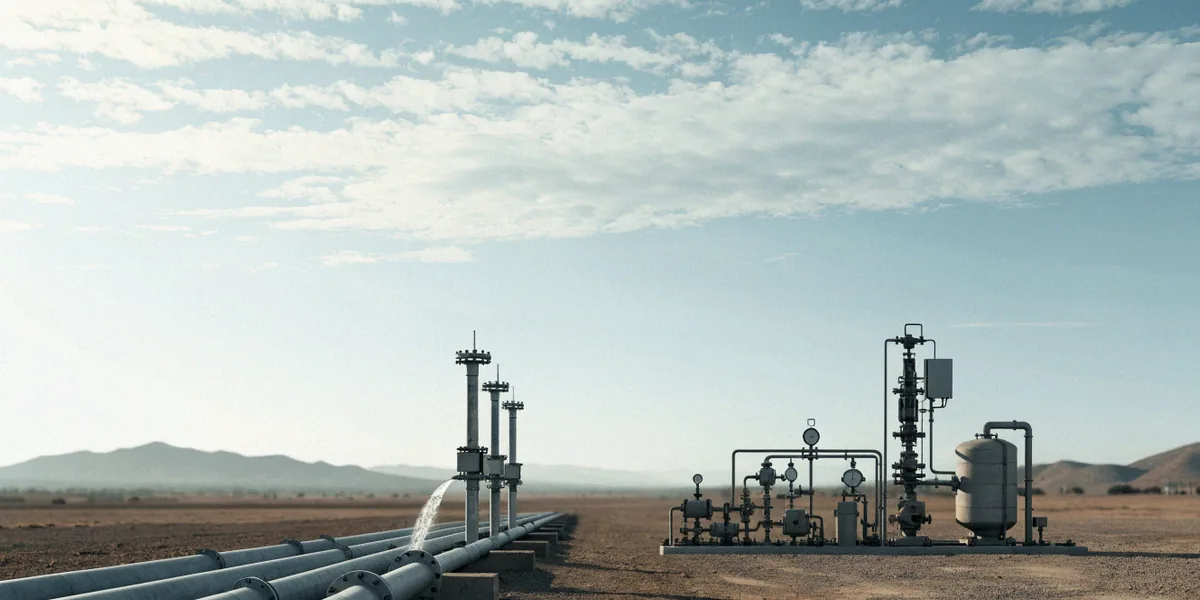
Waterflooding vs Polymer Flooding: What Canadian Oil Producers Need to Know
Picture a drilling rig punching into the Pembina field west of Edmonton in the 1950s. The oil came up fast and easy at first, and then the pressure started to slip. Operators realized that if they didn’t act, most of the oil would stay locked in the rock forever. That’s when waterflooding entered the picture in Alberta, and it changed how we think about squeezing every barrel out of a reservoir. Today we face a similar decision, except the stakes are higher: do we stick with the proven workhorse of waterflooding, or do we move to polymer flooding, which adds a chemical twist to the same basic idea? For anyone following Canadian energy, this choice sits right at the intersection of production economics, Alberta oil, and the energy transition. Let’s break down what each method actually does and why it matters.
Waterflooding: The Backbone of Alberta Oil Recovery
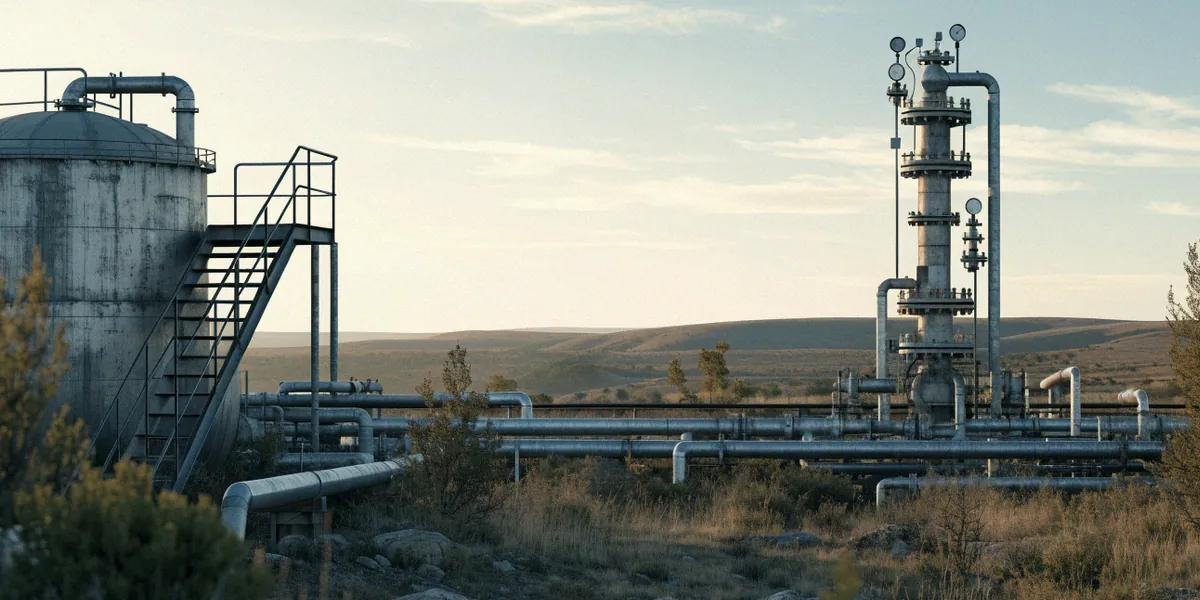
Waterflooding is exactly what it sounds like: we inject water into a reservoir to push oil toward producing wells. It’s the most common enhanced oil recovery technique in Western Canada, and it’s been that way for decades. The Pembina oil field in Alberta is a classic example of successful waterflooding. It’s one of the largest conventional oil fields in Canada, and operators have kept it producing long past its initial flush by carefully managing water injection. When we look at the Canadian energy landscape, waterflooding is the foundation that much of our conventional production rests on.
How Waterflooding Works
We drill injection wells and pump water into the oil-bearing formation. The water displaces oil, and the oil moves toward nearby production wells. The water also helps maintain reservoir pressure, which keeps oil flowing to the surface without relying solely on natural drive. In a well-managed waterflood, the water front sweeps through the reservoir and pushes oil ahead of it. The catch is that water tends to find the easiest paths through the rock, so it can break through to production wells early and leave oil behind in less permeable zones. That’s why waterflood design, well spacing, and injection rates matter so much.
Why Waterflooding Dominates in Western Canada
Waterflooding dominates because it works, it’s relatively cheap, and we have a lot of experience with it. Companies like Suncor and CNRL have used waterflooding across conventional and heavy oil assets to extend field life. The technique is well understood, the water is usually available, and the infrastructure is already in place in many fields. When we look at Alberta oil operations, waterflooding is often the first enhanced recovery method operators reach for, and for good reason. Typical recovery factors for waterflooding land around 30-40% of original oil in place. That’s a solid number, but it also means 60-70% of the oil is still left in the ground.
Polymer Flooding: A Chemical Twist on Waterflooding
Polymer flooding takes the waterflood concept and adds a chemical to the water. We mix long-chain polymer molecules into the injected water, which thickens it and improves how it moves through the reservoir. The idea is to make the water more viscous so it pushes oil more evenly instead of channeling through high-permeability streaks. This is a form of enhanced oil recovery that’s been piloted in Alberta and Saskatchewan, and companies like Cenovus and Imperial Oil have been involved in testing and deploying it. The promise is simple: better sweep efficiency, more oil recovered, and fewer barrels left behind.
The Science Behind Polymer Flooding
Water is much thinner than oil, so in a standard waterflood, the water tends to finger through the reservoir and bypass oil. Polymer flooding changes the mobility ratio, which is the ratio of how easily the injected fluid moves compared to the oil it’s displacing. By adding polymer, we increase the viscosity of the water, which makes the displacement front more stable and helps the water sweep more of the reservoir. The polymer doesn’t change the oil itself; it changes how the water behaves. That’s why polymer flooding is often described as a mobility control technique rather than a chemical that reacts with the oil.
Where Polymer Flooding Is Used in Canada
Polymer flooding has been used in several Canadian fields, particularly in heavy oil and medium oil reservoirs where waterflooding alone leaves a lot of oil behind. Saskatchewan has seen a number of polymer flood projects, and Alberta has hosted pilots and commercial applications. Imperial Oil and Cenovus have both explored polymer flooding as a way to improve recovery from mature fields. The results vary by reservoir, but the general trend is that polymer flooding can push recovery factors higher than conventional waterflooding. Typical recovery factors for polymer flooding can reach 45-60% of original oil in place, which is a meaningful step up from waterflooding.
Head-to-Head: Waterflooding vs Polymer Flooding
When we compare these two methods, we need to look at recovery rates, cost, complexity, and environmental footprint. Each method has trade-offs, and the right choice depends on the reservoir, the economics, and the operator’s goals. Here’s how they stack up on the key dimensions.
Recovery Efficiency and Economics
Waterflooding typically recovers 30-40% of original oil in place. Polymer flooding can achieve 45-60% recovery. That extra 10-20% can be the difference between a marginal field and a profitable one. But polymer flooding costs more upfront. The polymer itself is an added expense, and the injection system needs to be designed to handle the chemical. We also need to consider the cost of monitoring and managing the polymer breakthrough. In Canadian operators’ experience, polymer flooding is often justified when the incremental oil recovery outweighs the added cost. The economics depend on oil prices, reservoir quality, and the cost of polymer, which can vary.
Operational Challenges and Environmental Considerations
Waterflooding is simpler to operate. The water is easy to source, and the injection equipment is standard. Polymer flooding requires more careful handling. The polymer can degrade under certain conditions, so we need to manage the water chemistry and the injection process. There’s also the issue of polymer breakthrough, which can complicate production handling. On the environmental side, waterflooding uses large volumes of water, which can be a concern in water-scarce areas. Polymer flooding can reduce the amount of water needed per barrel of oil produced, but the polymer itself has its own environmental footprint. We also need to consider the energy used to inject the fluids and the emissions associated with that energy. The Alberta Energy Regulator oversees waterflooding and polymer flooding operations in the province, ensuring that both methods meet environmental and safety standards.
The Role of These Methods in Canada’s Energy Transition
Canada’s energy transition is not just about moving away from oil; it’s about producing oil more responsibly and reducing emissions. Waterflooding and polymer flooding both fit into that picture. They extend the life of existing fields, which means we get more oil from the infrastructure we’ve already built. That’s a form of efficiency that matters for Canadian energy. But the bigger opportunity is in how these methods can integrate with carbon capture, utilization, and storage (CCUS) and emissions reduction targets.
Emissions Reduction and CCUS Synergies
CCUS is a big part of Canada’s emissions reduction strategy. The Alberta Carbon Trunk Line is a major CCUS project that can support enhanced oil recovery. It captures carbon dioxide from industrial sources and transports it to oil fields, where it can be injected into reservoirs to help push out more oil. While the Alberta Carbon Trunk Line is primarily associated with CO2 flooding, the infrastructure and expertise can also support other enhanced oil recovery methods. Waterflooding and polymer flooding can benefit from the same monitoring and reservoir management techniques that CCUS projects use. The federal clean fuel regulations also push operators to reduce the carbon intensity of their production, which makes enhanced oil recovery methods that improve efficiency more attractive.
Future Outlook for Enhanced Oil Recovery in Canada
We expect to see continued innovation in both waterflooding and polymer flooding. Waterflooding will remain the foundation because it’s proven and cost-effective. Polymer flooding will grow as operators look for ways to boost recovery from mature fields and reduce water use. The integration of CCUS with enhanced oil recovery is a wildcard. If carbon capture infrastructure expands, we could see more CO2-based enhanced oil recovery, which could complement or compete with polymer flooding. The Alberta Energy Regulator will continue to play a key role in overseeing these operations and ensuring they align with environmental goals.
What This Means for Canadian Energy Producers
For operators and investors, the choice between waterflooding and polymer flooding comes down to reservoir characteristics and economic conditions. We need to evaluate the reservoir’s permeability, oil viscosity, and heterogeneity before deciding. Waterflooding is the safer bet for many fields, but polymer flooding can unlock more oil where waterflooding leaves too much behind. The Alberta Energy Regulator’s role is to ensure that these operations are conducted safely and responsibly. Industry collaboration is also important. Companies like Suncor, CNRL, Cenovus, and Imperial Oil are sharing knowledge and experience, which helps the whole sector improve. Here are a few practical takeaways:
- Evaluate reservoir characteristics first. Waterflooding works well in many conventional reservoirs, but polymer flooding can be more effective in heterogeneous or heavy oil reservoirs.
- Consider the economics carefully. Polymer flooding has higher upfront costs, so we need to model the incremental recovery against the added expense.
- Look for CCUS synergies. The Alberta Carbon Trunk Line and other CCUS projects can provide infrastructure and expertise that support enhanced oil recovery.
- Stay engaged with the Alberta Energy Regulator. Regulatory oversight is part of responsible operations, and staying informed helps operators plan effectively.
FAQ
What is the main difference between waterflooding and polymer flooding?
Waterflooding injects water to push oil toward production wells. Polymer flooding adds long-chain polymers to the water to make it thicker and improve sweep efficiency. The basic idea is the same, but polymer flooding changes how the water moves through the reservoir.
Which method recovers more oil?
Polymer flooding typically recovers more oil. Waterflooding recovers 30-40% of original oil in place, while polymer flooding can achieve 45-60%. The exact numbers depend on the reservoir and how the flood is managed.
Is polymer flooding more expensive than waterflooding?
Yes, polymer flooding generally costs more upfront because of the polymer itself and the need for more careful injection management. The added cost is justified when the incremental oil recovery is large enough to outweigh the expense.
How does the Alberta Energy Regulator fit in?
The Alberta Energy Regulator oversees waterflooding and polymer flooding operations in the province. It ensures that these methods meet environmental and safety standards, and it plays a role in approving and monitoring projects.
Can these methods support Canada’s energy transition?
Yes. Both methods extend the life of existing fields and improve production efficiency. They can also integrate with CCUS projects like the Alberta Carbon Trunk Line, which supports enhanced oil recovery and emissions reduction. The federal clean fuel regulations add another incentive to reduce carbon intensity.
Waterflooding remains the backbone of Alberta oil recovery, but polymer flooding offers a promising path to boost recovery and reduce environmental impact. For Canadian energy producers, the choice depends on the reservoir and the economics. As the energy transition continues, we expect both methods to play a role in producing oil more efficiently and responsibly.


Post Comment