Carbon Capture and CO2-EOR: How Canada’s Oilpatch Turns Emissions into Oil
We keep running into the same conversation at industry events, in comment sections, and around kitchen tables in Calgary and Edmonton: carbon capture and CO2-enhanced oil recovery. Someone calls it a climate solution, someone else calls it greenwashing, and most people in between just want a straight answer. That’s why our team decided to write this explainer. Not to sell anyone on CO2-EOR, and not to bury it either, but to lay out how it actually works in Canada, what the numbers really say, and where it might fit as the country wrestles with its energy transition.
What Carbon Capture Actually Is (and Isn’t)
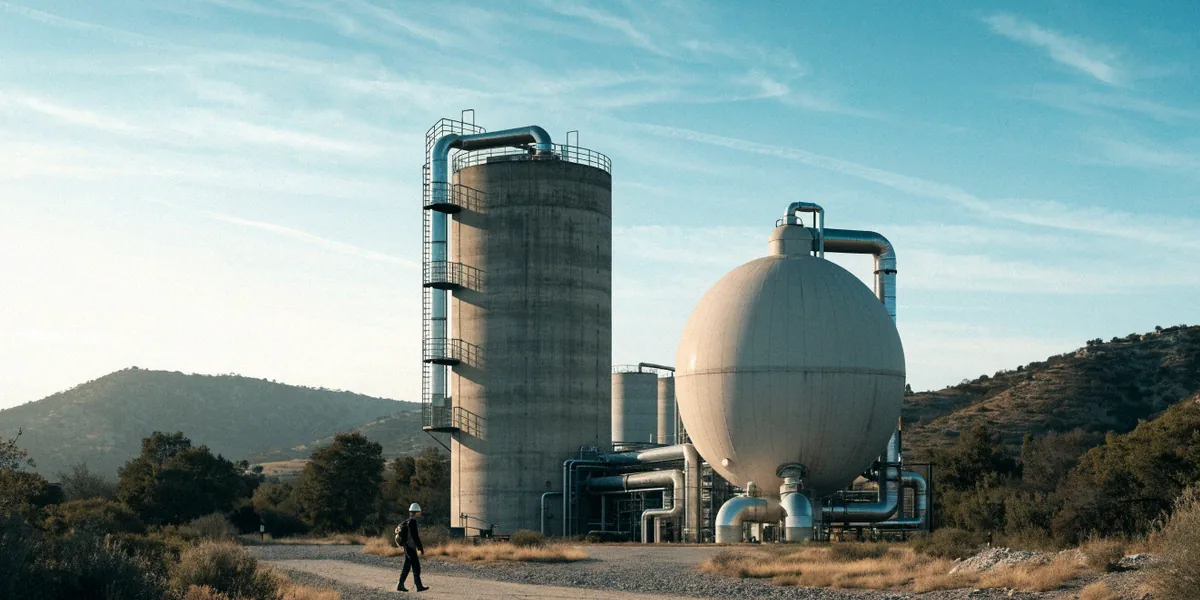
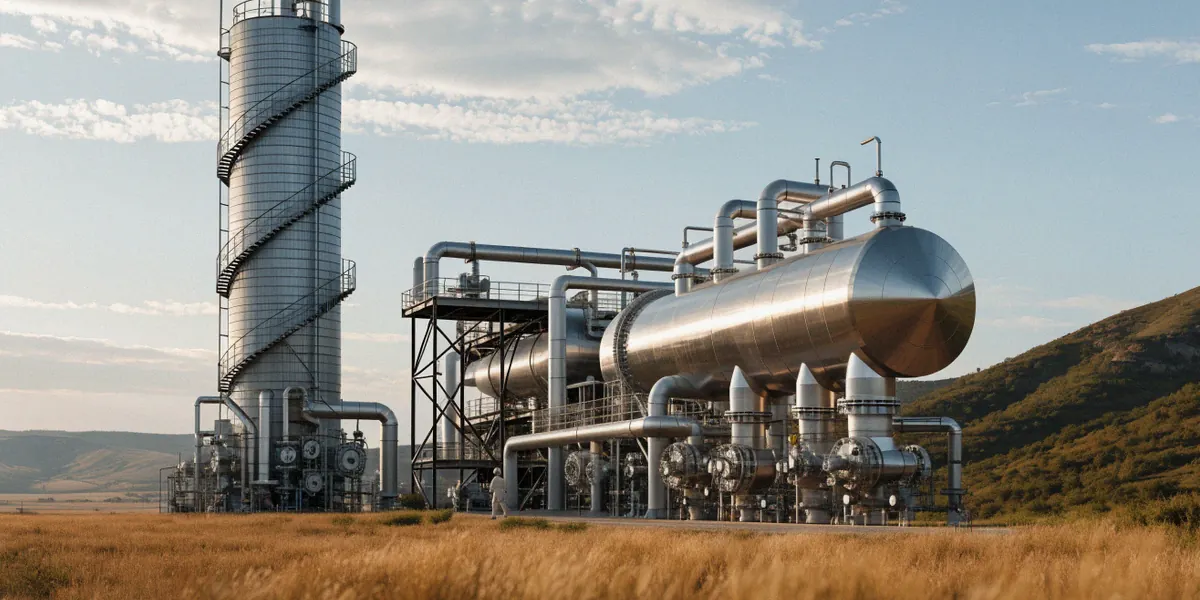
Carbon capture is exactly what it sounds like: technology that separates CO2 from industrial exhaust streams before it reaches the atmosphere, then compresses it for transport and permanent storage or use. It is not a filter you bolt onto a tailpipe, and it is not a tree. It’s an industrial process, typically using amine solvents or similar chemistry, that grabs CO2 molecules from flue gas at facilities like refineries, hydrogen plants, and power stations.
Canada has real, operating examples. The Quest carbon capture facility at the Scotford upgrader near Fort Saskatchewan, Alberta, has captured over 9 million tonnes of CO2 since 2015. That’s not a pilot project or a press release — it’s more than a decade of continuous operation on an oil sands upgrader, with the CO2 piped away and stored deep underground.
Point-Source Capture vs. Direct Air Capture
Almost all operating carbon capture in Canada is point-source: the CO2 comes from a concentrated industrial stream where it’s easy and relatively cheap to grab. Direct air capture (DAC) is a different beast entirely. It pulls CO2 out of ambient air, where concentrations are roughly 420 parts per million, meaning you have to move enormous volumes of air to collect meaningful tonnage. DAC is technically impressive but far more energy-intensive and expensive per tonne. When politicians or companies talk about carbon capture in Canada today, they almost always mean point-source.
Where Captured CO2 Goes in Canada
Captured CO2 in this country generally goes one of three places:
- Dedicated geological storage in deep saline aquifers, where it’s injected and monitored with no oil production attached.
- Enhanced oil recovery fields, where the CO2 is injected into depleted reservoirs to mobilize remaining oil.
- Industrial uses, such as fertilizer production or food-grade CO2, though these are small in volume.
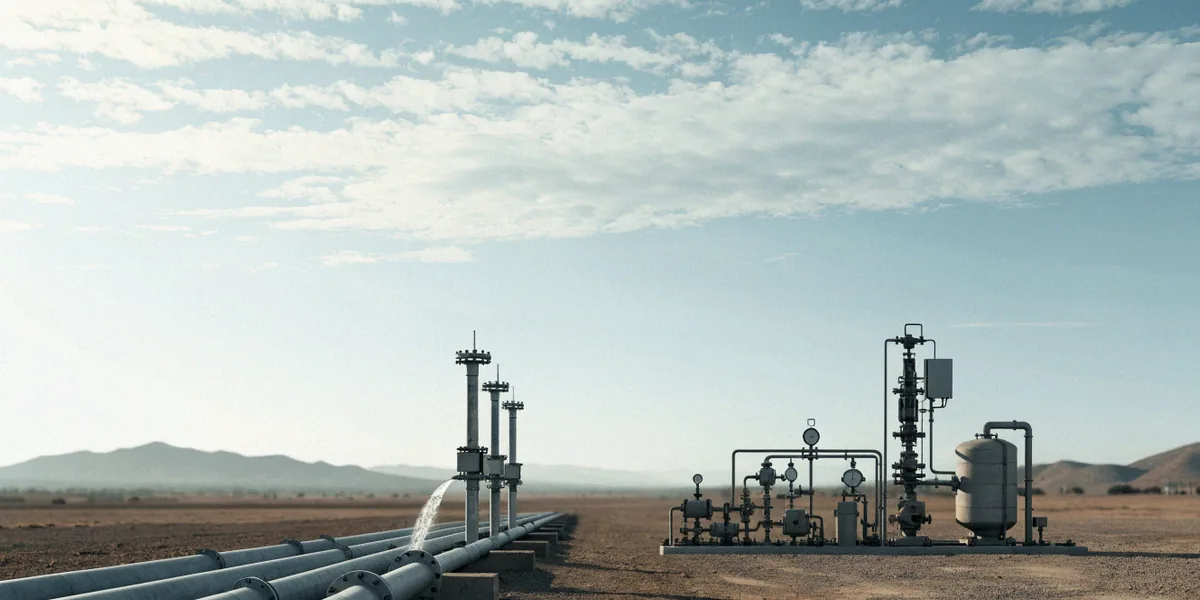
The Alberta Carbon Trunk Line, a 240-kilometre pipeline carrying captured CO2 to enhanced oil recovery fields in central Alberta, is the clearest example of the second pathway. It’s the backbone of the province’s CO2-EOR economy.
CO2-EOR: The Enhanced Oil Recovery Connection
Enhanced oil recovery is the umbrella term for methods that squeeze more oil out of a reservoir after primary and secondary recovery have done their work. CO2-EOR is one of those methods, and it’s been used commercially in North America since the 1970s. In Canada, the Weyburn-Midale CO2-EOR project in Saskatchewan is one of the world’s largest and longest-running CO2 storage and monitoring projects — a research site that has taught geologists more about underground CO2 behaviour than almost anywhere else on Earth.
How CO2 Miscible Flooding Works
When CO2 is injected into an oil reservoir at sufficient pressure, it doesn’t just push oil like a piston. It dissolves into the oil, reducing its viscosity and causing the oil and CO2 to mix into a single phase — a process called miscible flooding. That mixture flows more easily toward producing wells, carrying oil that waterflooding left behind. In Alberta oil fields like Pembina, this technique has been applied for decades, and it’s the reason CO2-EOR can recover an additional 5 to 15 percent of original oil in place compared to conventional methods.
CO2-EOR vs. Waterflood: What Changes Underground
Waterflooding remains the most common secondary oil recovery method in Alberta. Operators inject water to maintain reservoir pressure and sweep oil toward producers. It works, but water tends to channel through high-permeability zones and leave a lot of oil stranded. CO2 behaves differently. It’s miscible with oil at the right pressure, it accesses smaller pore spaces, and it can be recycled — produced CO2 is separated and reinjected. The trade-off is cost and complexity: CO2 supply, pipeline infrastructure, and corrosion management all add up. That’s why CO2-EOR only makes sense where you have a cheap, reliable CO2 source nearby.
The Canadian Carbon Capture Landscape
Canada’s carbon capture map is concentrated in Alberta and Saskatchewan, with a few projects elsewhere. The Quest facility at Scotford proved point-source capture works at industrial scale. The ACTL showed you can build a CO2 pipeline network linking industrial emitters to oil fields. And the proposed Pathways Alliance network would take things to a completely different order of magnitude if it proceeds.
Alberta’s Industrial Heartland and the ACTL
The Alberta Industrial Heartland northeast of Edmonton hosts refineries, petrochemical plants, and hydrogen facilities — a dense cluster of large CO2 sources. The ACTL connects that region to EOR fields around Clive and beyond, moving up to 14.6 million tonnes of CO2 per year at full capacity. It’s the kind of shared infrastructure that makes carbon capture economically viable for smaller emitters who couldn’t justify their own pipeline.
Federal and Provincial Incentives
Ottawa’s Investment Tax Credit for Carbon Capture, Utilization, and Storage covers a meaningful share of capital costs for eligible projects, and Alberta has its own grant programs and royalty frameworks that support CCUS. The federal government has also signalled interest in carbon contracts for difference, which would guarantee a floor price for carbon credits and reduce revenue risk for project developers. These policies matter because carbon capture is capital-intensive and the economics hinge on incentive design as much as technology.
Does CO2-EOR Really Reduce Emissions?
This is where the debate gets genuinely interesting, and where we think honesty matters more than cheerleading. CO2-EOR stores CO2 underground while producing incremental oil. That oil, when burned, releases CO2. So the net climate benefit depends entirely on how you count.
Lifecycle Accounting and Additionality
Lifecycle analysis of CO2-EOR typically compares the CO2 stored in the reservoir against the emissions from producing, refining, and burning the incremental oil. Studies from academic groups and industry researchers have reached different conclusions depending on assumptions about recycling rates, field performance, and the boundary of the analysis. The concept of additionality matters too: if the CO2 would have been captured anyway for storage, then using it for EOR doesn’t add climate benefit — it just changes where the CO2 ends up.
What Critics and Supporters Get Right
Critics are right that CO2-EOR is not a free climate win, and that treating it as one can delay real emissions reductions. Supporters are right that the CO2 is genuinely stored, that the infrastructure built for EOR can be repurposed for dedicated storage, and that the revenue from oil production helps finance capture projects that would otherwise not pencil out. Both sides have a point. The honest answer is that CO2-EOR is a tool with real trade-offs, not a magic bullet.
CO2-EOR and the Energy Transition: A Bridge or a Distraction?
Here’s our take: CO2-EOR is best understood as a bridge technology, not a destination. It keeps Alberta oil competitive in a carbon-constrained world, it builds CO2 transport and storage expertise that Canada will need regardless, and it generates revenue that can fund the next wave of clean energy investment. But bridges are for crossing, not for living on.
The Case for CO2-EOR as a Bridge
Canada’s oil and gas sector employs hundreds of thousands of people and contributes enormously to GDP. An abrupt shutdown isn’t realistic or fair to the communities that depend on it. CO2-EOR offers a way to reduce the emissions intensity of that production while renewable energy, hydrogen, and electrification scale up. The skills and infrastructure developed for CO2-EOR — geology, pipeline engineering, monitoring — transfer directly to dedicated carbon storage, which every credible net-zero pathway requires.
The Risk of Lock-In and Stranded Assets
The risk is that CO2-EOR becomes an excuse to keep expanding oil production indefinitely, on the theory that carbon capture will eventually clean it all up. That’s a bet with poor odds. Not all emissions can be captured, not all reservoirs are suitable for CO2 injection, and the global oil market may shrink faster than expected. If Canada builds its climate strategy around CO2-EOR without parallel investment in renewables and demand reduction, we risk stranded assets and missed targets.
What We’re Watching Next in Canadian CO2-EOR
Our team will keep covering this space because the next few years will determine whether Canada’s carbon capture ambitions translate into real tonnes or remain slide decks and press releases.
Pathways Alliance and the Net-Zero Ambition
The Pathways Alliance is a consortium of six major oil sands companies proposing a major carbon capture and storage network in northern Alberta. If built, it would be one of the largest CCUS projects in the world, connecting multiple emitters to a shared storage hub. The project has faced delays, cost questions, and negotiations with governments over risk-sharing. Whether it proceeds is arguably the single biggest test of Canada’s industrial decarbonization credibility.
Policy Signals to Track
We’re watching carbon contracts for difference, the federal tax credit’s final design, provincial royalty treatment of EOR projects, and any new CO2 pipeline proposals. We’re also watching the numbers: how many tonnes are actually captured, how much incremental oil is produced, and whether the net emissions math improves or worsens over time. Those are the metrics that matter, not the announcements.
FAQ
What is CO2-EOR in simple terms?
CO2-EOR is a method of extracting more oil from a depleted reservoir by injecting carbon dioxide into it. The CO2 mixes with the oil, makes it flow more easily, and is largely trapped underground in the process.
Is carbon capture the same as CO2-EOR?
No. Carbon capture is the technology that separates CO2 from industrial emissions. CO2-EOR is one possible destination for that captured CO2, where it’s used to recover additional oil. Captured CO2 can also be stored in dedicated geological formations with no oil production involved.
How much CO2 has the Quest facility captured?
The Quest carbon capture facility at Scotford, Alberta, has captured over 9 million tonnes of CO2 since 2015, making it one of the longest-running industrial-scale capture operations in the world.
Does CO2-EOR actually reduce greenhouse gas emissions?
It depends on how you count. CO2-EOR stores CO2 underground but also produces incremental oil that releases emissions when burned. Most analyses find a net reduction compared to conventional oil, but the size of that benefit varies widely depending on the project and the assumptions used.
What is the Alberta Carbon Trunk Line?
The ACTL is a 240-kilometre pipeline that carries captured CO2 from industrial emitters in central Alberta to enhanced oil recovery fields, where the CO2 is used to boost oil recovery and is largely stored underground.
CO2-EOR is neither a silver bullet nor a scam. It’s a complex industrial tool that stores real carbon, produces real oil, and carries real trade-offs. Canada’s challenge is to evaluate it with clear eyes — using it where it makes sense, refusing to let it become an excuse for delay, and building the dedicated storage and clean energy infrastructure that a credible energy transition demands.


Post Comment