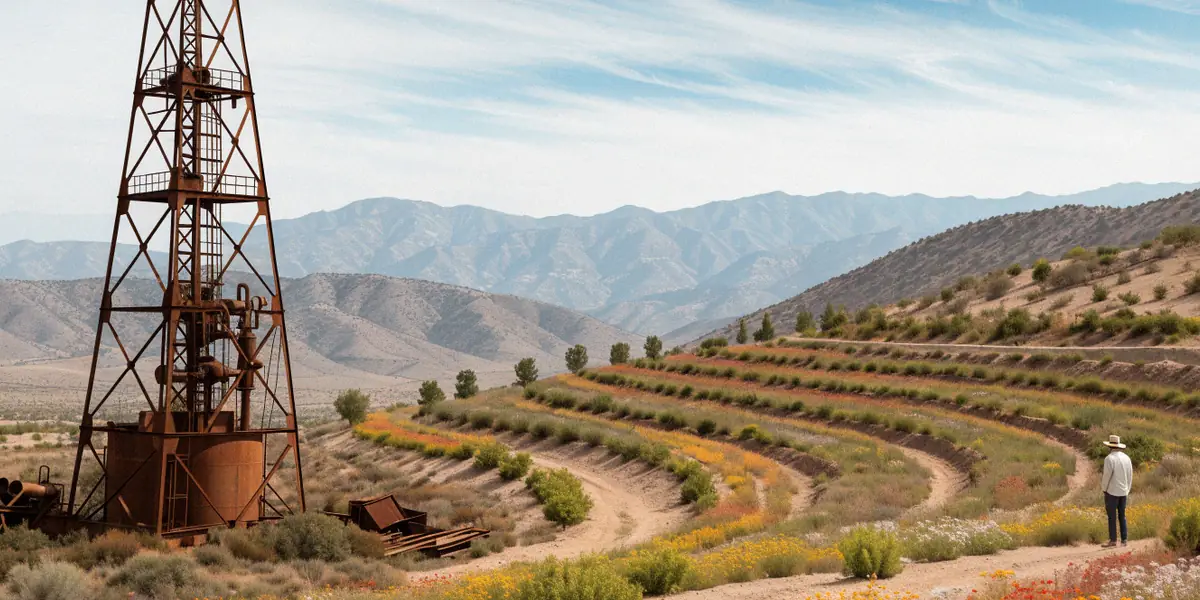
Orphan Wells and Reclamation: Cleaning Up After Canadian Energy
Alberta has a hole problem—tens of thousands of them, scattered across farmland, boreal forest, and the outskirts of small towns. These are orphan wells: oil and gas sites abandoned by companies that went bankrupt or simply walked away, leaving the cleanup bill to someone else. For a province built on energy, this is more than an environmental headache. It’s a test of whether Canadian energy can clean up after itself. On this page, we break down what orphan wells are, how the Orphan Well Association operates, what reclamation actually involves, who pays, and how tools like waterflood and enhanced oil recovery might turn some of these liabilities into assets.
What Are Orphan Wells and Why Do They Matter in Canadian Energy?
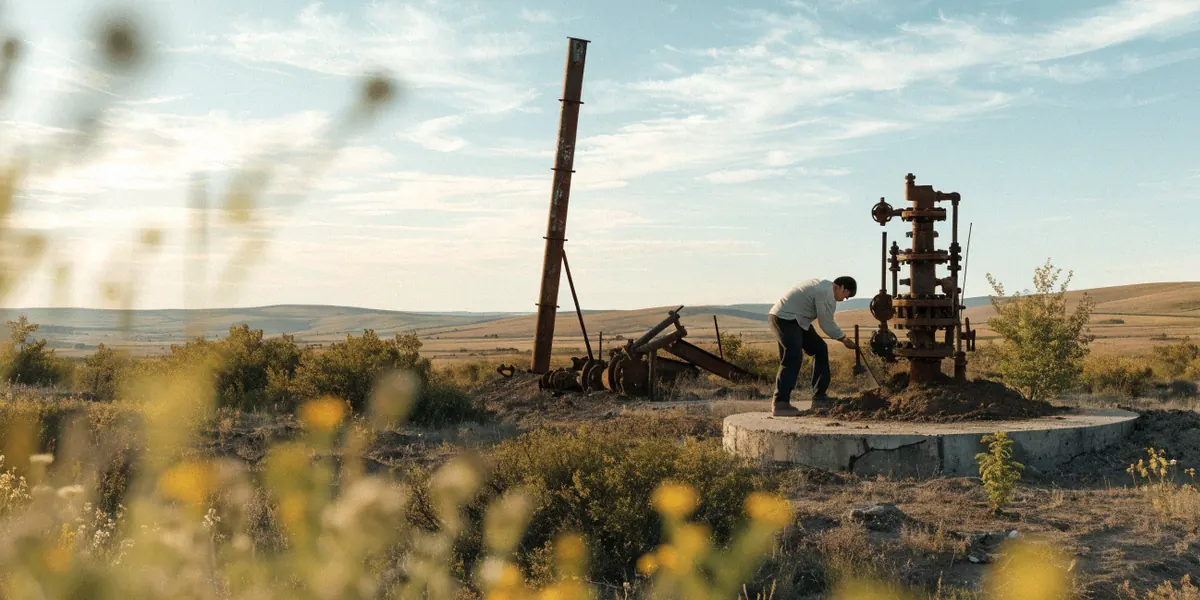
An orphan well is a oil or gas well whose licensed operator no longer exists or can’t be located—typically because the company went bankrupt. When that happens, nobody is legally on the hook to plug the well and restore the land. That responsibility falls to the public, specifically through the Orphan Well Association (OWA) in Alberta.
Oil and gas wells don’t disappear when production stops. They sit there: steel pipe in the ground, surface equipment rusting, sometimes leaking methane or brine. Without proper abandonment and reclamation, they pose risks to groundwater, soil, and the people living nearby. That’s why orphan wells matter—not just for the environment, but for the credibility of the entire Canadian energy sector.
How wells become orphaned
Most orphan wells follow a predictable script:
- A junior or mid-sized company operates marginal wells with thin profit margins.
- Commodity prices drop, costs rise, or the operator takes on too much debt.
- The company enters receivership or bankruptcy and ceases operations.
- No buyer steps in to take over the licenses, and the wells are left behind.
Alberta’s oil sands and conventional oil regions have accumulated thousands of these sites over decades. Some date back to the 1950s. The pattern accelerated during the 2014–2016 oil price crash and again during the COVID-era downturn, when dozens of small producers folded.
The Orphan Well Association (OWA) and Alberta Energy Regulator
The Orphan Well Association (OWA) manages orphan wells in Alberta. It’s an industry-funded, non-profit organization that takes over well licences when no solvent operator can be found. The Alberta Energy Regulator (AER) is the provincial regulator that oversees the lifecycle of every well—including the abandonment and reclamation certificates that formally close a site out. The two work in tandem: the AER identifies orphaned sites and directs them to the OWA, which plans and executes the cleanup work.
The Scale of Orphan Wells in Alberta Oil Country
It’s easy to talk about orphan wells in the abstract. The numbers make it concrete.
Numbers and backlog
Alberta has roughly 170,000 inactive wells across the province, and the OWA’s orphan list has fluctuated between 2,000 and 7,000+ sites in recent years depending on how many companies failed. At its peak around 2021, the OWA was managing cleanup on thousands of wells, pipelines, and facilities simultaneously. Even with accelerated spending, the backlog stretches years into the future.
The scale isn’t just about wells, either. Each orphaned site can include:
- Wellheads and surface equipment
- Buried pipelines and flowlines
- Storage tanks, batteries, and processing facilities
- Access roads and disturbed land
Cleaning all of that up takes time, money, and crews that are already stretched thin.
Impact on landowners and communities
For farmers and rural landowners, an orphan well on your property is a nightmare. You can’t sell the land easily, you can’t develop it, and you may be dealing with trespassing equipment, safety hazards, or contamination. Some landowners have waited more than a decade for cleanup.
Rural municipalities also feel the pinch. Orphan sites can reduce property tax revenue, create public safety concerns, and leave scars on the landscape that hurt tourism and local pride. In communities like those near Drayton Valley, Lloydminster, and the Peace Country, orphan wells are a visible reminder of the boom-and-bust cycle.
Reclamation 101: What It Takes to Restore a Well Site
Reclamation isn’t a single step—it’s a multi-year process with distinct phases and regulatory checkpoints. Here’s how it works in Alberta.
Abandonment vs. reclamation
These two terms get used interchangeably, but they mean different things:
- Abandonment means safely plugging the wellbore with cement and removing surface equipment. The well will never produce again, and the goal is to prevent any migration of fluids or gas.
- Reclamation means restoring the surface land to a state equivalent to what existed before drilling—typically native grassland, farmland, or forest.
You can’t reclaim a site until it’s been properly abandoned. Both steps are required to close out a licence.
The reclamation certificate process
Once a site is abandoned and the land has been reclaimed, the operator (or the OWA, in the case of orphan wells) applies to the Alberta Energy Regulator (AER) for a reclamation certificate. The AER oversees reclamation certificates and confirms that the site meets provincial standards for soil, vegetation, and water. This can involve:
- Site assessment and contamination testing
- Soil remediation and re-vegetation
- Documentation and landowner consultation
- Regulatory review and certificate issuance
The certificate is the finish line. It signals that the land can be returned to its previous use—farming, grazing, or simply left to nature.
Who Pays? Funding Orphan Well Cleanup in Canada
Orphan well cleanup costs real money—hundreds of millions of dollars a year in Alberta alone. So who actually pays?
Industry levies and government loans
The OWA’s funding comes from industry levies and a government loan. Every oil and gas producer in Alberta pays into the OWA through a levy tied to production and licence counts. When that isn’t enough, the Alberta government has stepped in with loan guarantees and direct funding—most notably a $1 billion loan announced in 2020 to accelerate cleanup and create jobs during a downturn. The loan is expected to be repaid through future industry levies, though timelines have been debated.
Energy transition and cleanup economics
The energy transition is reshaping these economics. As the world moves toward lower-carbon energy, some marginal oil and gas assets become uneconomic faster. That means more wells get shut in, more companies face insolvency, and more sites risk being orphaned. At the same time, governments and investors are demanding better environmental performance—making cleanup a reputational issue, not just a regulatory one.
Our take: the faster Canada gets ahead of the orphan well backlog, the better positioned it is to claim any kind of social licence as the energy transition unfolds.
Orphan Wells, Waterflood, and the Future of Enhanced Oil Recovery
Here’s where the story gets interesting. Not every aging well needs to be plugged and forgotten. Some can be repurposed for waterflood or enhanced oil recovery—techniques that squeeze more oil out of existing reservoirs while delaying or reducing reclamation liabilities.
Repurposing wells for waterflood
Waterflood involves injecting water into a reservoir to push remaining oil toward producing wells. It’s been used in Alberta for decades, and it’s one of the most common forms of enhanced oil recovery. Older wells that would otherwise be abandoned can sometimes be converted into injection wells or monitoring wells, extending their useful life and generating revenue that helps fund eventual cleanup.
Enhanced oil recovery as a reclamation tool
Enhanced oil recovery—including waterflood, CO₂ injection, and chemical flooding—can repurpose aging wells to extend production and reduce liabilities. Every barrel produced from an existing well is a barrel that doesn’t require a new well to be drilled. And when a field finally does reach the end of its life, the same infrastructure and data collected during EOR operations can inform a more efficient reclamation plan.
It’s not a silver bullet. Not every orphan well is a candidate for EOR, and the economics don’t always work. But as a strategy for managing end-of-life assets, it deserves more attention than it gets.
What a Responsible Energy Transition Looks Like for Orphan Wells
We don’t think orphan wells are just a technical problem to be solved—they’re a policy test. How Canada handles them will say a lot about whether our energy sector is serious about accountability.
Policy reforms and faster timelines
Several reforms would help:
- Tighter financial assurance requirements so companies can’t walk away from liabilities.
- Faster reclamation timelines with penalties for delay.
- More transparent tracking of orphan well inventories and cleanup progress.
- Better coordination between the AER, OWA, and rural municipalities.
Innovation in reclamation technology
Reclamation technology is improving. Drones and satellite imagery are making site assessments cheaper and faster. Soil remediation techniques are becoming more efficient. And some operators are experimenting with repurposing old wells for geothermal energy, carbon storage, or water monitoring—new uses for old holes.
Canadian energy has the engineering talent to lead in this space. What it needs is the regulatory certainty and public pressure to do it.
Orphan well reclamation is a shared responsibility—industry, government, landowners, and taxpayers all have a stake. It’s also a chance for Canadian energy to prove that accountability isn’t just a slogan. Cleaning up the past is part of building a credible energy future, and the work is far from finished.
FAQ
What is an orphan well?
An orphan well is an oil or gas well whose licensed operator has gone bankrupt or disappeared, leaving no one legally responsible for plugging and reclaiming the site. In Alberta, the Orphan Well Association manages these sites.
How many orphan wells are there in Alberta?
The number fluctuates. Alberta has roughly 170,000 inactive wells, and the OWA’s orphan list has ranged from about 2,000 to over 7,000 sites in recent years depending on how many operators have failed.
Who pays for orphan well cleanup in Canada?
Funding comes from industry levies paid by oil and gas producers, supplemented by a government loan from Alberta. Taxpayers can also end up covering costs indirectly if levies and loan repayments fall short.
Can orphan wells be used for enhanced oil recovery?
Yes, in some cases. Waterflood and enhanced oil recovery can repurpose aging wells to extend production and reduce liabilities, though not every orphan well is a viable candidate.
What is a reclamation certificate?
A reclamation certificate is issued by the Alberta Energy Regulator (AER) once a well site has been properly abandoned and the land restored to provincial standards. It formally closes out the site’s regulatory obligations.


Post Comment