Alberta’s Conventional Oil Fields: Where Enhanced Oil Recovery Fits In
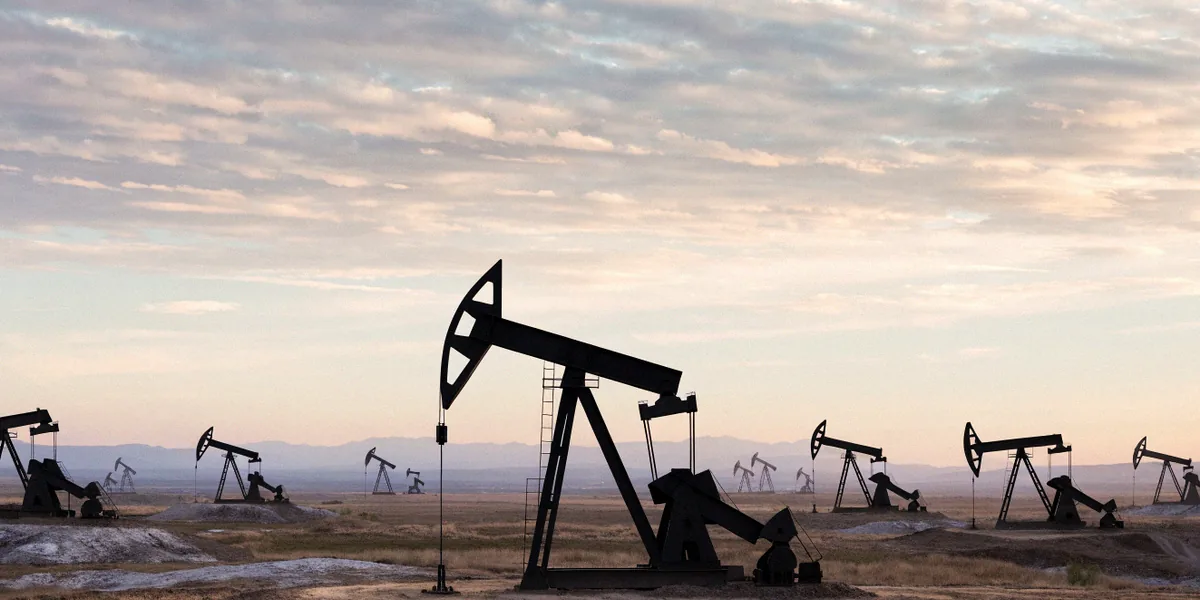
We still remember the first time we drove past a pumpjack near Drayton Valley, somewhere along a secondary highway with canola fields on both sides. It was easy to think of that landscape as a postcard of old oil country — nodding horses, gravel roads, a gas plant in the distance. But the more we dug into it, the clearer it became that conventional oil is still the backbone of Alberta’s energy story, and that the techniques used to keep those fields alive are quietly shaping the next chapter of Canadian energy. Enhanced oil recovery sits right at that intersection: old reservoirs, new methods, and a transition that is anything but simple.
What Makes Alberta’s Conventional Oil Fields Different
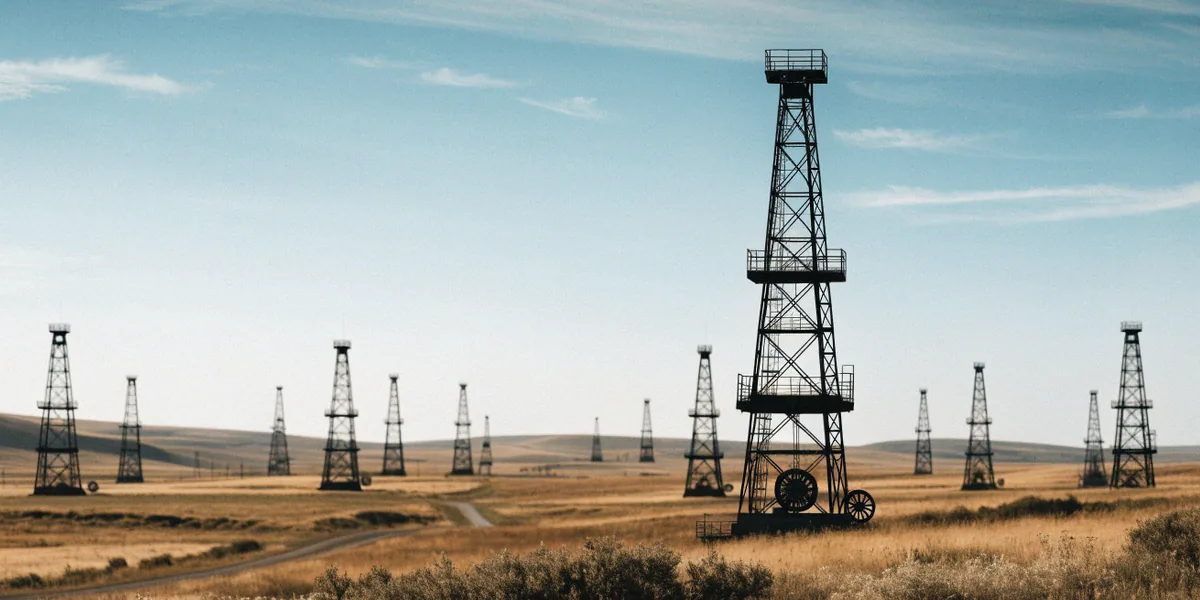
When people outside the province hear “Alberta oil,” they usually picture the oil sands near Fort McMurray — vast open pits, massive trucks, and bitumen so thick it barely moves at room temperature. Conventional fields are a different beast entirely. Places like Pembina, Redwater, and Leduc hold lighter crude in porous rock formations, sometimes sandstone, sometimes carbonate. That oil flows more readily, which is why these fields were developed first and why they built the foundation of the province’s petroleum industry.
Leduc No. 1 in 1947 is the classic origin story, but Pembina is the field that really demonstrates scale. Discovered in 1953 southwest of Edmonton, Pembina became one of the largest conventional oil fields in Canada by original oil in place. Redwater, discovered even earlier, helped establish the pattern of rapid development followed by decades of managed decline.
Conventional vs. Oil Sands: A Quick Comparison
The differences matter because they determine which recovery methods make sense:
- Conventional fields: lighter oil, higher API gravity, flows or can be pumped from porous rock, developed with vertical and horizontal wells.
- Oil sands: bitumen, extremely viscous, requires mining or in-situ thermal methods like SAGD to move at all.
- Recovery timelines: conventional fields often peak early and decline over decades; oil sands projects have long plateau periods.
- Infrastructure: conventional fields rely on networks of waterfloods, batteries, and gathering systems; oil sands depend on upgraders, diluent pipelines, and dedicated processing.
Why Maturity Matters for Production
Most of Alberta’s conventional fields are mature. That’s a polite way of saying they’ve already given up their easiest oil. Primary recovery — letting natural pressure push oil to the wellbore — typically captures only 10% to 20% of original oil in place. After that, production falls off and operators have to get creative. This is where waterflood and enhanced oil recovery enter the picture, and it’s why a field that looks “finished” on a decline curve can still produce for decades with the right technique.
Waterflood: The Workhorse of Conventional Recovery
If you’ve ever wondered what all those injection wells scattered across central Alberta are doing, the answer is usually waterflood. It’s not glamorous, but it’s the single most important secondary recovery method in the province. Waterflood recovery typically captures 30-40% of original oil in place, which is a big jump over primary production alone.
How Waterflood Works Underground
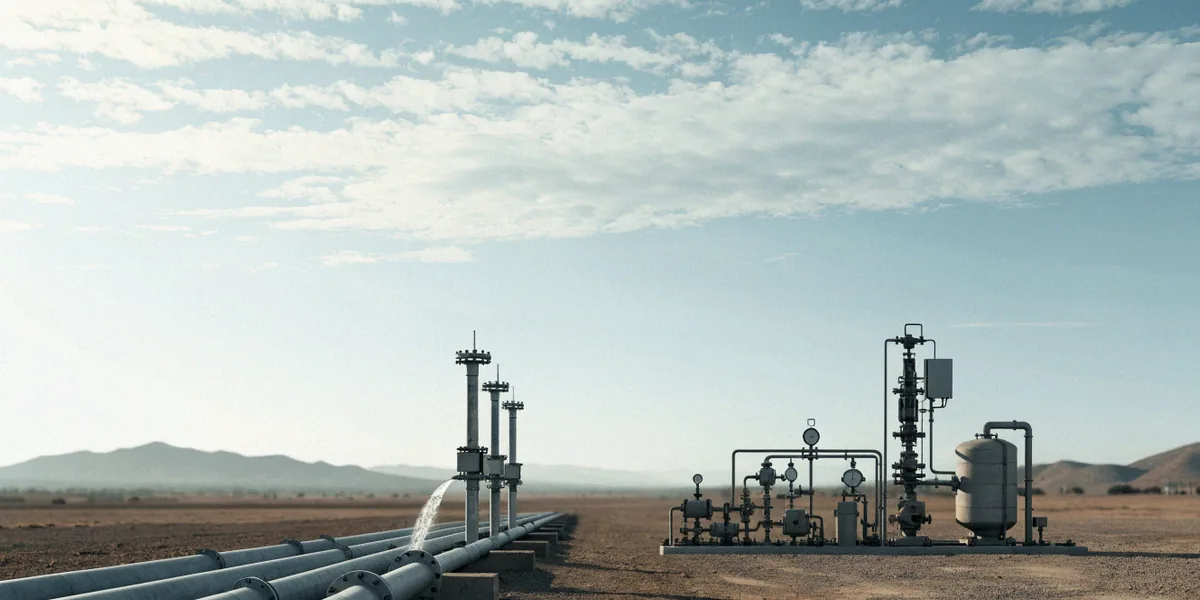
The concept is straightforward. Operators drill injection wells and pump water into the reservoir, usually below the oil zone or in a pattern around producing wells. The water raises reservoir pressure and physically sweeps oil toward the producers. In a good flood, you’re essentially pushing a bank of oil ahead of the injected water.
What makes it complicated is the geology. Not all rock is equally permeable, and water tends to find the easiest path. That means some oil gets bypassed, and operators spend years tweaking injection rates, well patterns, and water chemistry to improve sweep efficiency.
Where Waterflood Is Still Active in Alberta
Pembina is the textbook example — a massive waterflood operation that has been running for decades and still produces significant volumes. Swan Hills, a carbonate reef play northwest of Edmonton, is another. So is the Redwater area, where waterflood and later EOR techniques have extended field life well beyond what primary recovery would have allowed. If you drive through these areas, the density of wellheads and pipelines tells you that waterflood is very much alive.
Enhanced Oil Recovery: Beyond Waterflood
Enhanced oil recovery, or EOR, is the next step. It covers a family of methods designed to recover oil that waterflood can’t reach. The goal is to push recovery toward 50-60% of original oil in place, and in some cases higher. EOR isn’t new — it’s been used in Canada since the 1980s — but it’s getting renewed attention as operators look for ways to extend field life and as carbon capture becomes more viable.
CO2 and Miscible Floods
The most well-known Canadian EOR project is the Weyburn-Midale CO2 project in Saskatchewan, where CO2 captured from a coal gasification facility is injected into the Weyburn and Midale oil fields. It’s a landmark because it demonstrated that CO2 can both boost oil recovery and be permanently stored underground. In Alberta, hydrocarbon miscible floods have been used in fields like Pembina and Swan Hills, where injected solvents mix with the oil and help it flow more freely.
CO2 flooding works because at certain pressures and temperatures, CO2 becomes miscible with oil — it dissolves into the crude, reduces viscosity, and swells the oil, making it easier to push through the reservoir. The same CO2 that would otherwise be a greenhouse gas ends up trapped in the rock.
Chemical and Thermal EOR in Canada
Chemical EOR includes polymer floods, which thicken injected water so it sweeps more evenly, and surfactant floods, which reduce the surface tension between oil and water. These have been tested in Alberta with mixed results — they work, but they’re expensive and sensitive to reservoir conditions. Thermal EOR, mainly steam injection, is more common in heavy oil plays like Cold Lake and Peace River, though it overlaps with the in-situ oil sands world rather than conventional fields.
The Energy Transition and Alberta’s Conventional Future
We can’t talk about EOR in Canada without talking about climate policy. Federal and provincial regulations, carbon pricing, and incentives like the federal carbon capture investment tax credit are all reshaping how operators think about EOR. The logic is compelling: if you’re going to inject CO2 underground anyway, why not use it to recover oil at the same time?
Carbon Capture, Utilization, and Storage
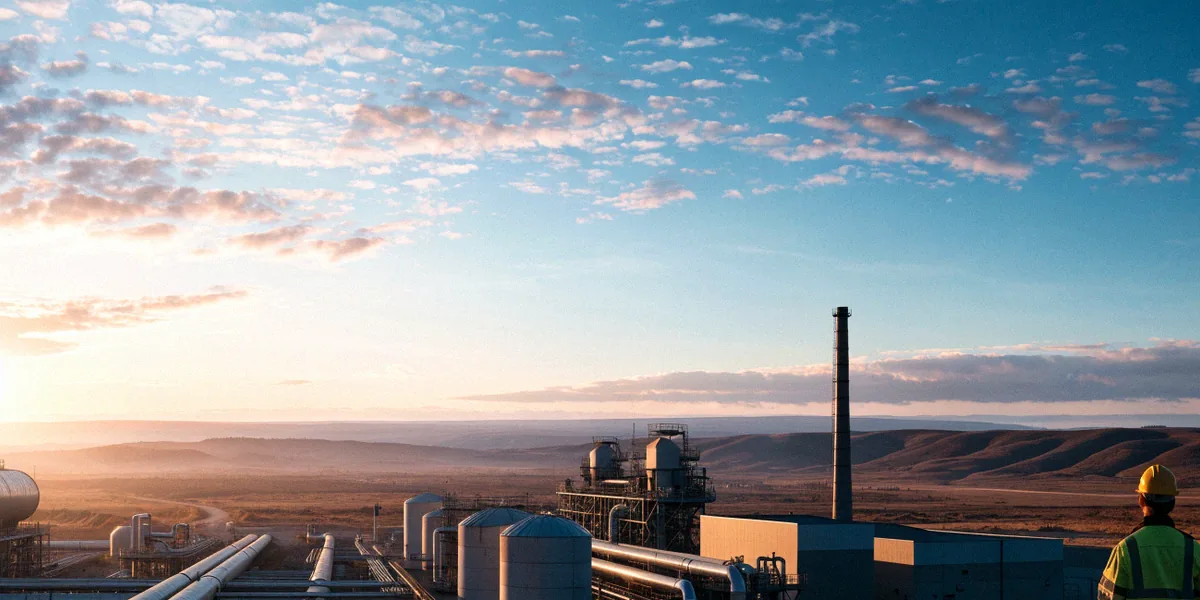
CCUS is the acronym you’ll hear most. Companies like Cenovus Energy and Canadian Natural Resources Limited (CNRL) have invested in carbon capture projects tied to their operations. Cenovus, for example, has been involved in CO2 capture and EOR work in Saskatchewan and Alberta. The Alberta Energy Regulator oversees these projects, issuing approvals, monitoring injection volumes, and ensuring that stored CO2 stays where it’s supposed to.
The idea that mature conventional fields could become CO2 storage hubs is gaining traction. Depleted reservoirs have known geology, existing wells, and decades of pressure data — all of which make them attractive for permanent storage. That reframes old oil fields as long-term infrastructure rather than liabilities.
What It Means for Jobs and Communities
For communities like Drayton Valley, Swan Hills, and Redwater, EOR and CCUS mean something practical: jobs. Not the boom-time jobs of the 1970s, but specialized roles in reservoir engineering, CO2 handling, monitoring, and regulatory compliance. Field operators, pipeline technicians, and environmental specialists all have a role. The transition isn’t just about shutting things down — it’s about repurposing skills and infrastructure.
What We’re Watching Next in Canadian Energy
Our editorial take: enhanced oil recovery isn’t a climate solution on its own, and we won’t pretend otherwise. But it is a bridge technology that keeps Canadian energy producing while lowering emissions per barrel and building the CO2 storage expertise the country will need regardless of how fast the transition moves. The Alberta Energy Regulator’s oversight will be central to whether that story holds up to scrutiny.
We’re also watching innovation in solvent floods, where light hydrocarbons are injected instead of or alongside water, and low-salinity waterfloods, which tweak water chemistry to improve oil recovery without chemicals. Both are being tested in Alberta and both could change the economics of mature fields.
FAQ
What is enhanced oil recovery?
Enhanced oil recovery (EOR) refers to methods used after primary and secondary recovery to extract more oil from a reservoir. Common techniques include CO2 flooding, hydrocarbon miscible floods, polymer and chemical floods, and thermal methods. EOR can push recovery toward 50-60% of original oil in place.
How much oil does waterflood typically recover?
Waterflood recovery typically captures 30-40% of original oil in place. That’s a significant improvement over primary recovery, which usually only gets 10-20%.
Is EOR the same as fracking?
No. Hydraulic fracturing is a well completion technique used to create pathways in tight rock. EOR is a reservoir-wide process that happens after a field is already producing, using injected fluids or gases to mobilize remaining oil.
What role does the Alberta Energy Regulator play?
The Alberta Energy Regulator (AER) oversees oil and gas development in the province, including waterflood and EOR projects. It issues approvals, sets injection and disposal rules, monitors reservoir performance, and regulates CO2 storage.
Can old oil fields store CO2 permanently?
Yes. Depleted conventional reservoirs have known geology and existing infrastructure, which makes them strong candidates for permanent CO2 storage. Projects like Weyburn-Midale in Saskatchewan have demonstrated that CO2 injected for EOR can remain trapped underground long-term.
Alberta’s conventional oil fields are not relics. They’re testing grounds — for waterflood optimization, for CO2 storage, for the next generation of recovery techniques. How we manage them will shape Canadian energy for decades, and we’ll keep following the story from the wellhead to the regulator’s office.


Post Comment