The Alberta Energy Regulator’s Role in Canadian Energy
Picture this: you’re driving past a pumpjack near Drayton Valley, or you’ve just read a headline about an oil sands expansion near Fort McMurray, and a question crosses your mind — who actually makes sure all of this is done safely and responsibly? We wondered the same thing when we started digging into how Canadian energy gets regulated. The answer, for most of Alberta’s oil and gas activity, is the Alberta Energy Regulator. It’s the body that approves projects, monitors operations, and enforces environmental standards across one of the largest energy-producing regions on the planet. If enhanced oil recovery, waterflood, or oil sands development matters to you, the AER matters too.
What Is the Alberta Energy Regulator?
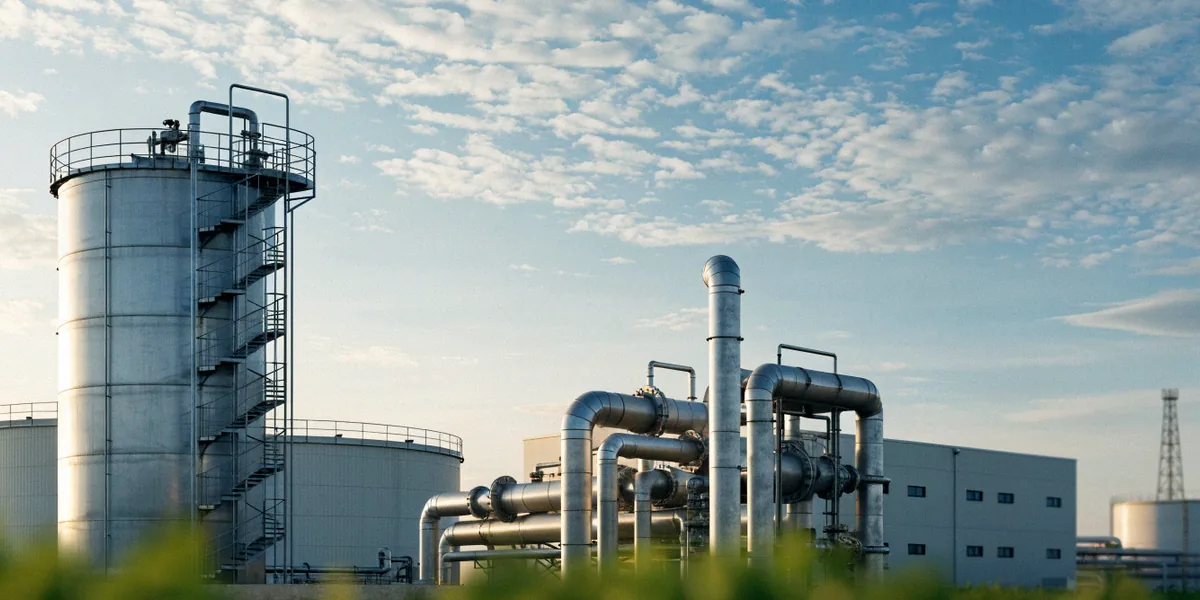
The Alberta Energy Regulator is the single regulator for energy development in Alberta. That means one agency handles approvals, compliance, and enforcement for oil, gas, oil sands, and coal projects across the province — a scope that covers everything from a small waterflood scheme in the Pembina field to a multi-billion-dollar mining operation in the Athabasca oil sands.
A Brief History of the AER
The AER was created in 2013 by merging three Alberta energy regulators: the Energy Resources Conservation Board, the Alberta Environment and Sustainable Resource Development’s regulatory functions, and the Alberta Energy Resources Conservation Act administration. The goal was to streamline oversight so that one body would be accountable for the full lifecycle of energy projects — from application to closure. Before 2013, companies often dealt with multiple agencies for a single project, which created delays and blurred accountability. The merger was meant to fix that.
Mandate and Jurisdiction
The AER’s mandate is broad. It regulates:
- Conventional oil and gas wells, including enhanced oil recovery and waterflood operations
- Oil sands mining and in-situ extraction
- Coal exploration and development
- Pipeline and facility infrastructure within Alberta
- Liability management, including orphan well oversight
Its jurisdiction is provincial, but its decisions ripple across Canadian energy because so much of the country’s production originates in Alberta. When the AER approves or rejects a project, it affects investment, jobs, and emissions far beyond the province’s borders.
How the AER Oversees Enhanced Oil Recovery and Waterflood
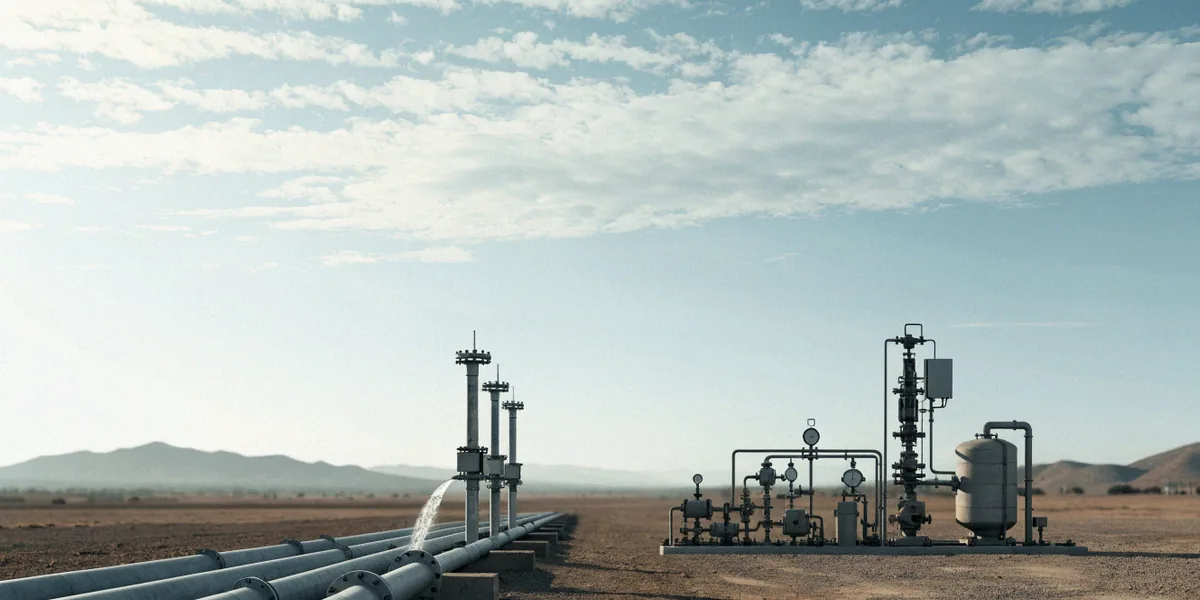
Enhanced oil recovery is one of the most technically interesting areas the AER regulates. Waterflood — injecting water into a reservoir to push oil toward producing wells — is the most common form of EOR in Alberta. The Pembina field, west of Edmonton, is home to one of Canada’s largest waterflood projects, and it operates under AER oversight. That means every injection well, every pressure reading, and every reporting deadline falls under the regulator’s rules.
Approval Process for EOR Projects
Before a company can start a waterflood or other EOR scheme, it must apply to the AER. The application typically includes reservoir data, injection plans, pressure projections, and environmental assessments. The AER reviews whether the scheme will recover oil efficiently without damaging the reservoir or surrounding formations. If approved, the operator receives a scheme approval with conditions — monitoring requirements, reporting schedules, and limits on injection pressures. We’ve seen how detailed these approvals can get; they’re not rubber stamps.
Monitoring and Compliance for Waterflood
Once a waterflood is running, the AER requires ongoing monitoring. Operators must report injection volumes, pressures, and any anomalies. If something goes wrong — say, a pressure breach or a casing failure — the operator must notify the AER and take corrective action. The AER also conducts field inspections and audits. Non-compliance can lead to orders, fines, or suspension of the scheme. For a province where waterflood supports a significant share of conventional oil production, this oversight is not optional.
The AER’s Role in Alberta’s Oil Sands
The Athabasca oil sands are a major focus of AER oversight. This is where the scale of regulation gets truly massive — think tailings ponds visible from space, massive mining trucks, and in-situ operations that drill thousands of metres underground. The AER regulates both mining and in-situ projects, and it enforces environmental standards that cover air, water, land, and waste.
Regulating Oil Sands Mining
Oil sands mining operations, like those run by Suncor and Syncrude near Fort McMurray, require AER approvals for everything from site clearing to tailings management. The AER sets limits on water use, requires reclamation plans, and monitors air quality. It also oversees the eventual closure of mines — a process that can take decades. Companies must post financial security to cover reclamation costs, and the AER holds them to those commitments.
In-Situ Operations and Directive 023
In-situ oil sands projects use steam or solvents to extract bitumen from underground. These operations fall under Directive 023, which sets out requirements for geological and reservoir data, well design, and monitoring. The AER uses Directive 023 to ensure that in-situ projects don’t compromise groundwater or cause surface subsidence. It’s a technical framework that operators must follow from exploration through closure.
Balancing Energy Transition and Resource Development
Here’s where things get complicated. The AER is not just a project approver — it’s also a climate regulator. As Canada pursues an energy transition, the AER has to balance continued oil and gas development with emissions reduction targets. That means regulating emissions, supporting innovation like carbon capture, and ensuring that responsible development doesn’t become an oxymoron.
Emissions Reduction and Climate Policy
The AER administers the Technology Innovation and Emissions Reduction (TIER) system, Alberta’s industrial carbon pricing framework. TIER sets emissions benchmarks for large industrial facilities, including oil sands operations, and requires them to reduce emissions or pay into a technology fund. The AER also enforces the Oil Sands Emissions Limit, which caps total emissions from oil sands operations. These policies are designed to push operators toward cleaner production without shutting down the industry outright.
Supporting Clean Technology in Oil and Gas
The AER has a role in supporting carbon capture, utilization, and storage (CCUS) projects, as well as other clean technologies. It reviews applications for CCUS wells and pipelines, and it monitors storage performance to ensure CO2 stays underground. For us, this is one of the more forward-looking parts of the AER’s mandate — it’s not just about extracting resources, but about managing the emissions that come with them.
Criticisms and Challenges Facing the AER
No regulator is perfect, and the AER has faced its share of criticism. Common concerns include perceived industry influence, the growing cost of orphan well cleanup, and the slow pace of reclamation. We think it’s worth addressing these head-on because they shape public trust in Canadian energy.
Independence and Public Trust
Critics argue that the AER is too close to the industry it regulates. The agency’s funding comes largely from industry levies, and its board members often have industry backgrounds. The AER says it maintains independence through transparent decision-making and public reporting, but the perception persists. For us, the key question is whether the AER can enforce rules without fear or favour — and that’s something only time and track record will prove.
Orphan Wells and Liability Management
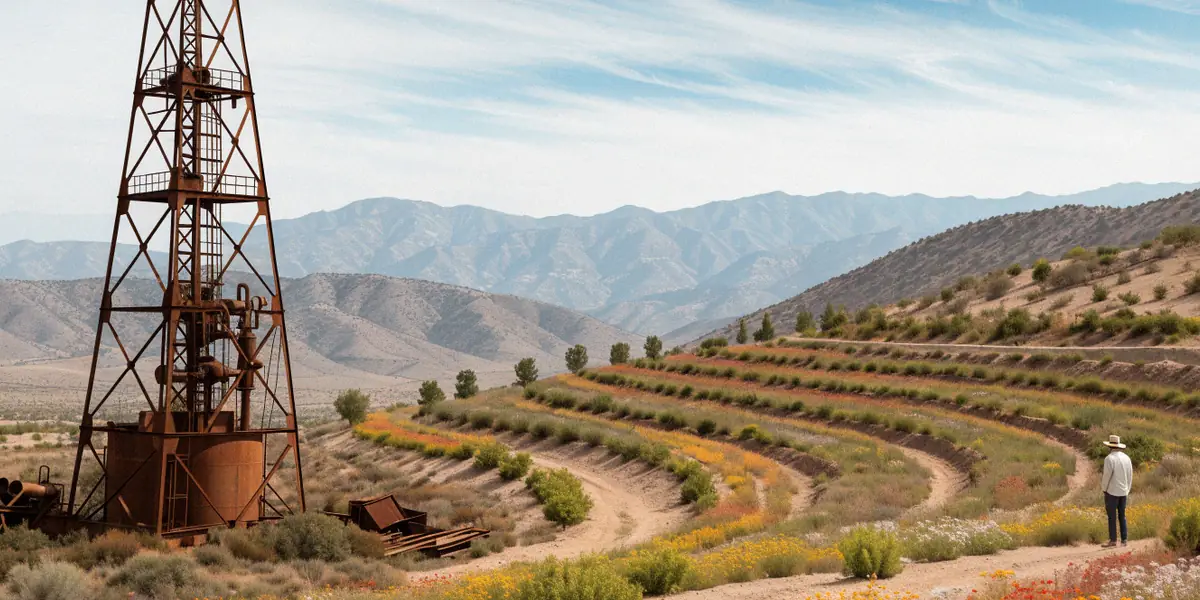
Orphan wells are wells whose owners have gone bankrupt or disappeared. The Orphan Well Association manages abandoned wells under AER oversight, and the cost of cleanup has ballooned in recent years. The AER’s response to the Redwater decision — a Supreme Court case that confirmed bankruptcy trustees must comply with environmental orders — has been part of a broader effort to reform liability management. The AER now requires companies to post security and meet stricter financial health tests, but the backlog remains a challenge.
What the AER Means for Canadian Energy
So what does the AER actually mean for Canadian energy? It means that when a company wants to drill, inject, mine, or build, there’s a regulator checking the plans. It means that investors can point to a predictable approval process. And it means that when things go wrong, there’s an agency with the power to intervene. The AER’s role in the Trans Mountain Pipeline expansion — reviewing routing, environmental impacts, and safety — shows how its decisions extend beyond Alberta’s borders.
Impact on Investment and Innovation
A clear regulatory framework helps attract investment. Companies know what’s expected of them, and they can plan accordingly. The AER’s support for innovation — through CCUS approvals, EOR scheme reviews, and emissions benchmarking — gives operators a reason to invest in cleaner technology. Without a regulator that understands both resource development and environmental responsibility, that investment would be riskier.
Collaboration with Federal Regulators
The AER works with the Canada Energy Regulator on projects that cross provincial or federal jurisdiction, like interprovincial pipelines. This collaboration is not always smooth, but it’s necessary. Canadian energy operates in a complex regulatory landscape, and the AER is a key player in making that landscape workable.
FAQ
What is the Alberta Energy Regulator responsible for?
The AER regulates oil, gas, oil sands, and coal development in Alberta. It handles project approvals, monitoring, compliance, and enforcement, including for enhanced oil recovery and waterflood schemes.
How does the AER regulate enhanced oil recovery?
The AER requires operators to apply for scheme approvals before starting EOR projects. Once approved, operators must monitor injection pressures and volumes, report regularly, and comply with conditions set by the regulator.
What is the Pembina field waterflood?
The Pembina field, west of Edmonton, is home to one of Canada’s largest waterflood projects. It operates under AER oversight and is a key example of how enhanced oil recovery is regulated in Alberta.
What is the Orphan Well Association?
The Orphan Well Association manages abandoned wells whose owners have gone bankrupt. It operates under AER oversight and is funded by industry levies.
How does the AER support the energy transition?
The AER administers the TIER system, enforces the Oil Sands Emissions Limit, and reviews carbon capture projects. These efforts aim to reduce emissions while allowing responsible resource development.
The Alberta Energy Regulator is essential for balancing resource development with environmental responsibility. Its decisions shape how Canadian energy is produced, how emissions are managed, and how the industry adapts to the energy transition. Whether you’re an investor, an operator, or just someone who cares about how Alberta’s oil and gas is managed, the AER’s effectiveness will play a big role in Canada’s energy future.


Post Comment