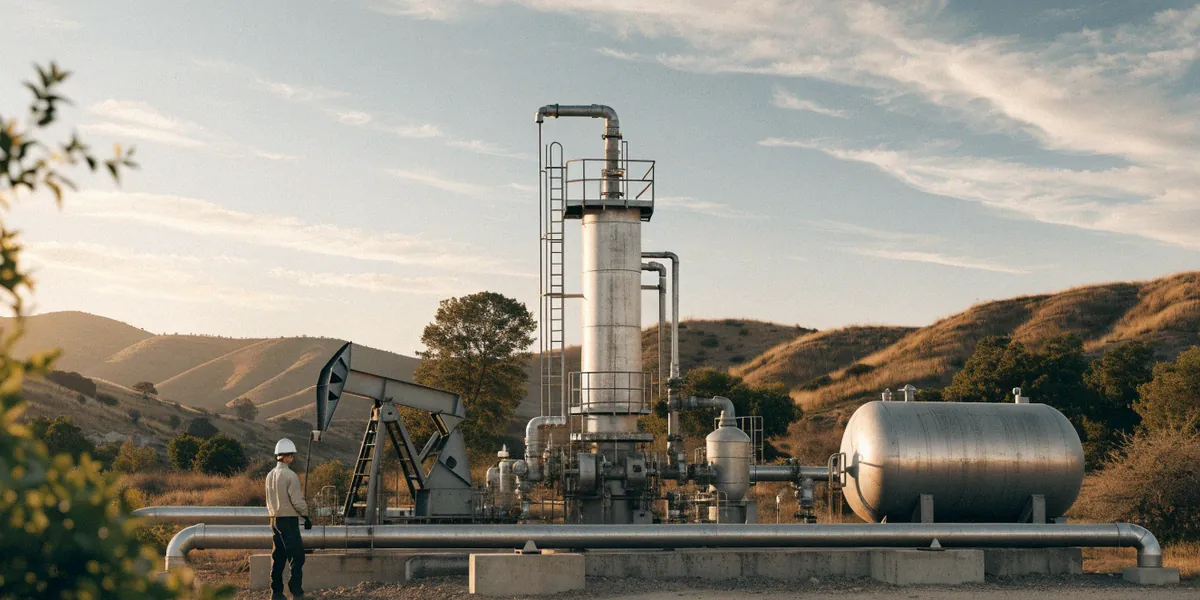
Enhanced Oil Recovery: The Basics
Have you ever wondered why oil companies don’t just drill a well and suck all the oil out of the ground in one go? The truth is that oil doesn’t sit in underground caverns like a lake waiting to be pumped dry. It’s trapped in tiny pores within rock formations, and getting it out is harder than it sounds. On average, primary recovery methods leave 70 to 90 percent of the original oil in place. That’s where enhanced oil recovery comes in. Here at Terrex Energy, we want to break down what EOR actually means for Canadian energy, why it matters, and how it fits into the bigger picture of Alberta oil and the energy transition.
What Is Enhanced Oil Recovery?
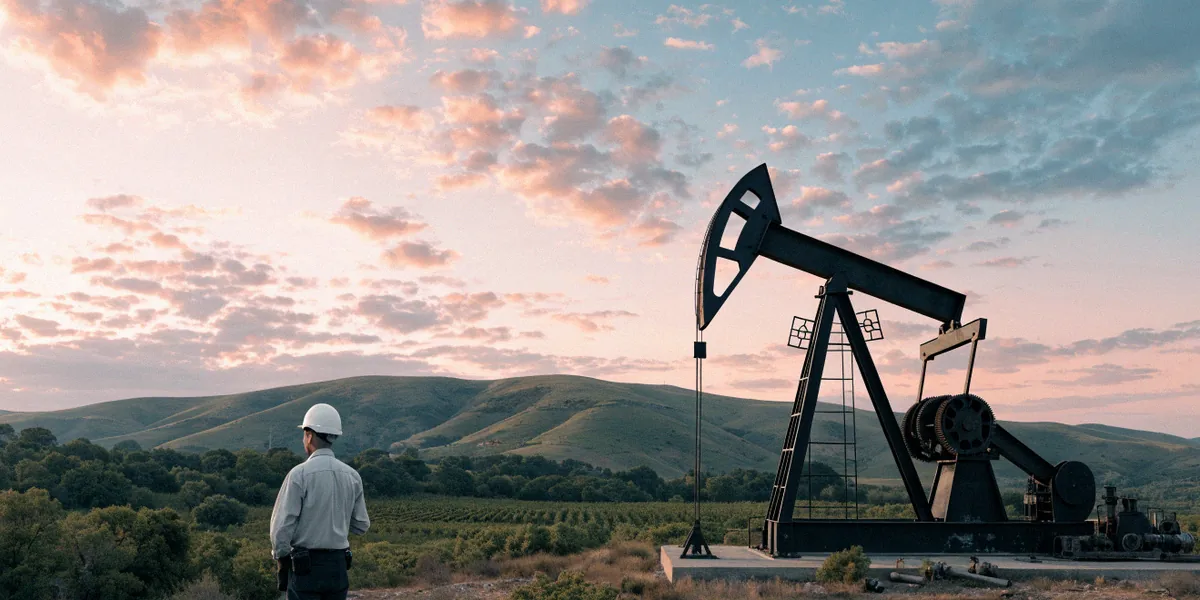
Enhanced oil recovery refers to a set of techniques used to extract more oil from a reservoir after primary and secondary recovery methods have done their job. It’s not about finding new oil fields. It’s about getting more out of the ones we already have. EOR is distinct from hydraulic fracturing, or fracking, which is a completions technique used to access tight oil and gas formations in the first place. EOR, by contrast, is used in mature fields where production has already declined and operators are looking to extend the life of the asset.
Primary and Secondary Recovery: The Starting Point
When a well is first drilled, oil flows to the surface thanks to natural reservoir pressure. This is primary recovery, and it typically recovers only about 10 to 30 percent of the oil in place. Once that pressure drops, operators turn to secondary recovery methods, most commonly waterflooding, to push more oil toward production wells. Even after these stages, a significant amount of oil remains trapped in the rock. That’s the gap EOR is designed to close.
How EOR Fits Into the Life of a Canadian Oil Field
In Canada, EOR is most commonly associated with mature conventional fields in Alberta and Saskatchewan, though thermal EOR methods are also used extensively in Alberta oil sands operations. As fields age and production declines, operators evaluate whether EOR techniques can economically recover additional reserves. It’s a decision driven by geology, oil prices, available technology, and regulatory considerations.
Waterflood: Canada’s Workhorse EOR Method
If you’ve spent any time around Alberta oil fields, you’ve probably heard the term waterflood. It’s the most common EOR method used in the province, and for good reason. Waterflood involves injecting water into a reservoir to maintain pressure and sweep oil toward producing wells. It’s straightforward, relatively cost-effective, and can recover an additional 5 to 15 percent of the original oil in place.
How Waterflood Works in Practice
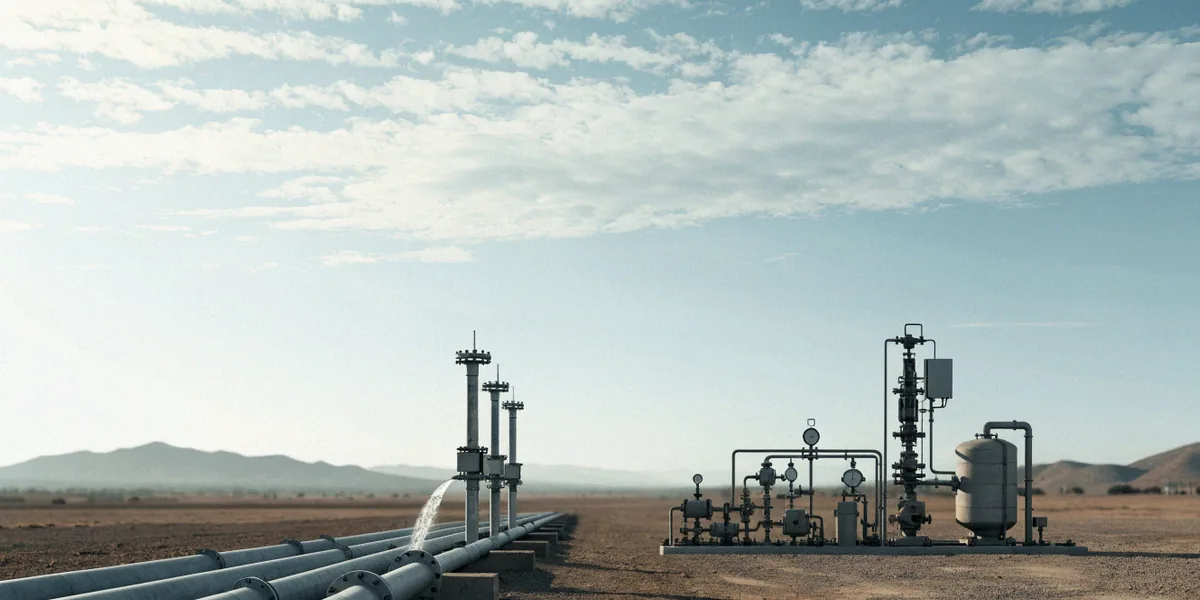
In a typical waterflood operation, injection wells are drilled or converted from existing producers. Water is pumped into the reservoir, displacing oil and pushing it toward production wells. Over time, the water cut rises, meaning more water and less oil is produced. Operators then manage the flood pattern, adjusting injection rates and well configurations to maximize oil recovery.
Why Waterflood Is So Common in Alberta
Alberta’s geology is well-suited to waterflooding. Many of the province’s conventional reservoirs have good permeability and connectivity, allowing water to move through the rock efficiently. Water is also readily available and relatively inexpensive compared to other EOR injectants. That combination of favorable geology and economics has made waterflood the backbone of EOR in Alberta for decades.
Other EOR Methods We Should Know
Waterflood isn’t the only tool in the toolbox. Depending on the reservoir and the economics, operators may turn to gas injection, chemical flooding, or thermal methods. Each has its own strengths and limitations:
- Gas injection and CO2 EOR: Injecting gases like carbon dioxide or hydrocarbon gases into a reservoir to improve oil recovery. CO2 can be miscible with oil, helping it flow more easily.
- Chemical flooding: Injecting polymers or surfactants to improve sweep efficiency and mobilize trapped oil.
- Thermal EOR: Using heat to reduce the viscosity of heavy oil and bitumen, making it easier to produce.
Gas Injection and CO2 EOR
Gas injection involves injecting gases like carbon dioxide or hydrocarbon gases into a reservoir to improve oil recovery. CO2 is particularly interesting because it can be miscible with oil, meaning it mixes with the oil and helps it flow more easily. The Weyburn-Midale CO2 EOR project in Saskatchewan is one of the world’s most studied CO2 EOR operations, and it has demonstrated that CO2 can be stored underground while enhancing oil recovery. Closer to home, the Alberta Carbon Trunk Line is a major piece of infrastructure that transports CO2 from industrial sources to EOR projects in central Alberta.
Chemical Flooding: Polymers and Surfactants
Chemical flooding involves injecting polymers or surfactants into a reservoir to improve sweep efficiency and mobilize trapped oil. Polymers thicken the water, making it more effective at pushing oil through the reservoir. Surfactants reduce the surface tension between oil and water, allowing oil droplets to move more freely. These methods can be effective but are often more expensive than waterflood or gas injection.
Thermal EOR and Oil Sands
Thermal EOR methods use heat to reduce the viscosity of heavy oil and bitumen, making it easier to produce. Steam-assisted gravity drainage, or SAGD, is the most well-known thermal method used in Alberta oil sands operations. In SAGD, steam is injected into the reservoir to heat the bitumen, which then drains by gravity to a production well. It’s energy-intensive but has been essential to unlocking Canada’s oil sands resources.
EOR and the Canadian Energy Transition
EOR sits at an interesting intersection of production and environmental responsibility. On one hand, it extends the life of oil fields and helps meet energy demand. On the other, it involves injecting substances into the ground and producing more fossil fuels at a time when Canada is working toward its net-zero 2050 target. The debate is real, and we think it’s worth examining both sides.
CO2 EOR as Carbon Storage
One of the most compelling arguments for CO2 EOR is that it can serve as a form of carbon storage. When CO2 is injected into a reservoir, a significant portion of it remains trapped underground permanently. The Weyburn-Midale project, for example, has stored millions of tonnes of CO2 while producing oil. The Alberta Carbon Trunk Line takes this concept further by connecting industrial CO2 sources to EOR sites, creating a circular system where emissions from one process become an input for another.
The Emissions and Economics Debate
Critics of EOR argue that it prolongs fossil fuel production and delays the transition to renewable energy. They point out that the emissions from burning the oil produced through EOR can outweigh the carbon stored during injection. Supporters counter that EOR reduces emissions intensity per barrel and provides a bridge while renewable energy scales up. The economics are equally complex. EOR projects require significant upfront investment, and their viability depends on oil prices, carbon pricing, and government incentives. Canada’s net-zero 2050 target adds another layer of consideration, as policymakers weigh the role of EOR in a decarbonizing economy.
What the Future Holds for EOR in Canada
EOR isn’t standing still. Researchers and operators are exploring new techniques that could improve recovery rates and reduce environmental impact. At the same time, regulatory oversight continues to evolve to ensure that EOR projects are safe, transparent, and aligned with Canada’s climate goals.
Emerging EOR Technologies
Several emerging technologies could shape the future of EOR in Canada. Low-salinity waterflood, for example, involves injecting water with lower salinity than the reservoir brine, which can improve oil recovery without the cost of chemicals. Microbial EOR uses bacteria to produce surfactants or gases that help mobilize oil. Digital monitoring and advanced data analytics are also playing a growing role, allowing operators to optimize injection strategies in real time. These innovations could make EOR more efficient and more environmentally sustainable.
Regulation and Oversight in Alberta
In Alberta, the Alberta Energy Regulator oversees oil and gas operations, including EOR projects. The AER sets standards for reservoir management, environmental protection, and reporting. Operators must demonstrate that their EOR activities are safe and that they have plans for eventual closure and reclamation. As EOR technologies evolve, the regulatory framework will need to keep pace, balancing resource development with environmental stewardship.
FAQ
What is the difference between EOR and fracking?
EOR and fracking are often confused, but they serve different purposes. Fracking is a completions technique used to create fractures in tight rock formations so oil and gas can flow to a well. EOR is used in mature fields to recover additional oil after primary and secondary recovery methods have been exhausted.
Is waterflood the same as enhanced oil recovery?
Waterflood is often classified as a secondary recovery method, but in practice, it’s frequently grouped under the broader EOR umbrella, especially in mature fields where it’s used to extend production. It’s the most common method used in Alberta oil fields and can recover an additional 5 to 15 percent of the original oil in place.
How does CO2 EOR help with carbon storage?
When CO2 is injected into a reservoir for EOR, a significant portion of it remains trapped underground permanently. This makes CO2 EOR a form of carbon capture and storage. Projects like the Weyburn-Midale CO2 EOR project in Saskatchewan and the Alberta Carbon Trunk Line demonstrate how CO2 from industrial sources can be used to enhance oil recovery while reducing emissions.
What role does the Alberta Energy Regulator play in EOR?
The Alberta Energy Regulator oversees oil and gas operations in the province, including EOR projects. It sets standards for reservoir management, environmental protection, and reporting, ensuring that operators meet safety and environmental requirements throughout the life of a project.
Will EOR still be relevant as Canada transitions to net-zero?
EOR will likely remain relevant as long as there is demand for Canadian energy. However, its role may shift as Canada works toward its net-zero 2050 target. CO2 EOR, in particular, could play a dual role by storing carbon while producing oil. The key will be ensuring that EOR projects align with broader climate goals and that emerging technologies continue to reduce emissions intensity.
Enhanced oil recovery isn’t a silver bullet, and we wouldn’t pretend otherwise. It’s a practical set of tools that helps Canada get more out of the oil fields we already have, while in some cases storing carbon underground. From waterflood in Alberta oil fields to CO2 EOR in Saskatchewan, these methods are part of the ongoing conversation about how we balance production with environmental responsibility. As the energy transition unfolds, EOR will likely remain a bridge, not a destination, in Canada’s energy mix.


Post Comment